
Total supervised practice
0:17 / 40:00
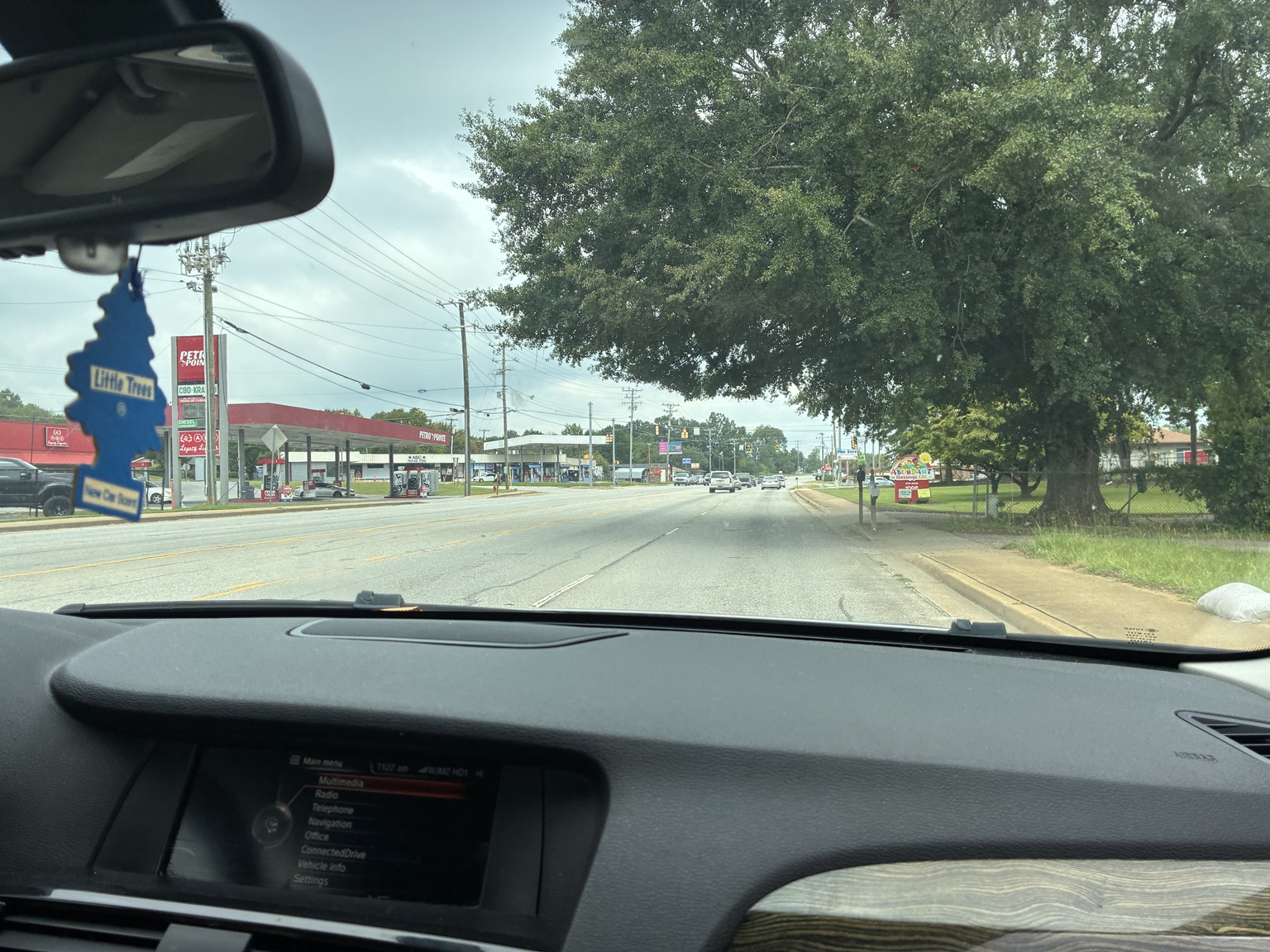
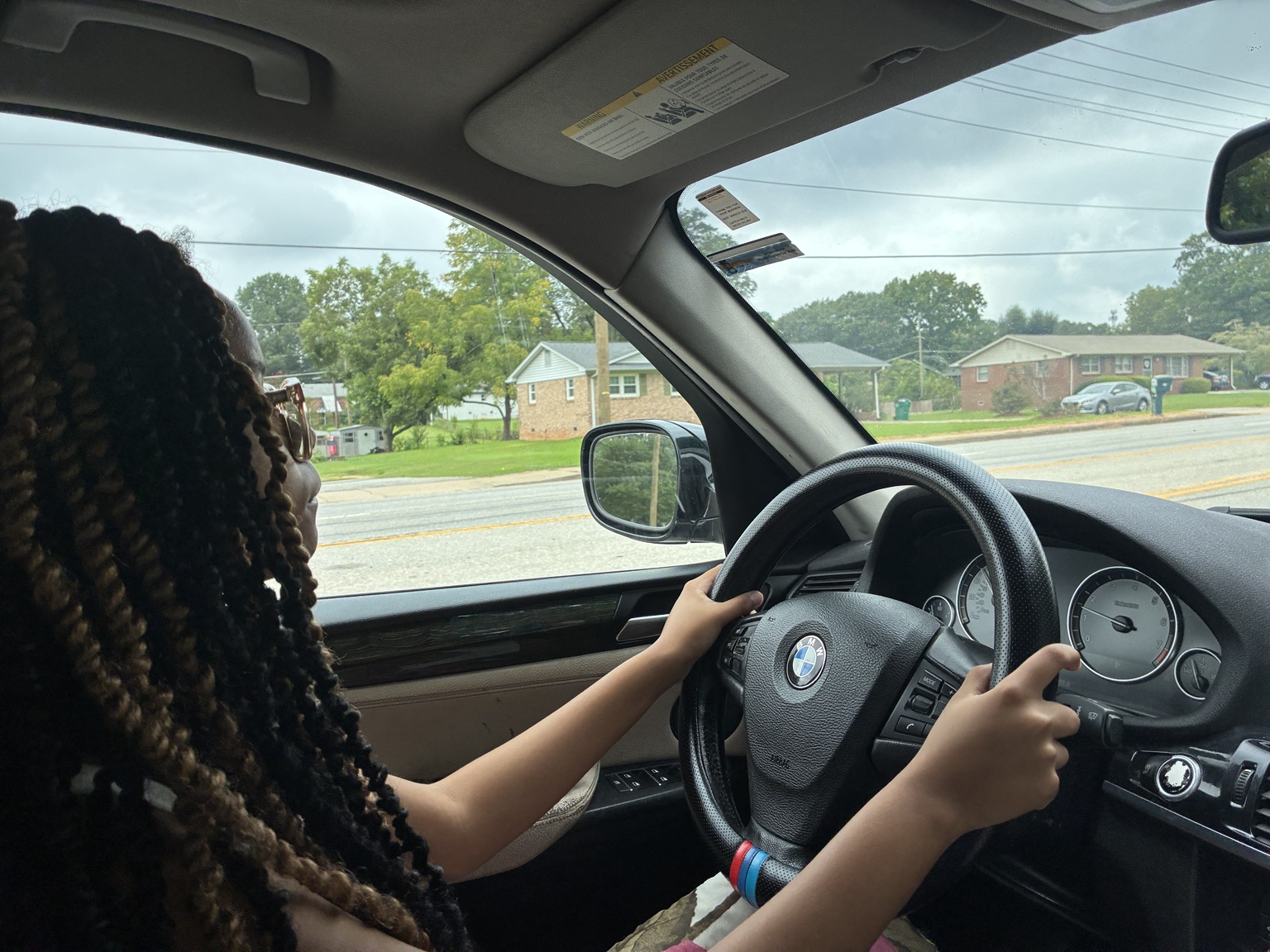
Two documented sessions: approximately 10 minutes on August 29 and 7 minutes on August 30.
Kayla’s Y Driving • Active Permit Practice & Applied Learning
An active governed learner-development stream documenting supervised driving practice during the beginner’s-permit phase while turning ordinary driving experiences into applied-learning records.
ACA separates state-compliance tracking from the broader learning record. The tracker uses the South Carolina supervised-practice framework documented in the governing specification while separately recording ACA learning categories such as road type, traffic, weather, lighting, route complexity, skills, confidence, observations, and reflections.
Total supervised practice
Two documented sessions: approximately 10 minutes on August 29 and 7 minutes on August 30.
Night subset
Night-driving practice remains to begin and is counted within the total supervised-practice framework.
ACA experience layer
Experience categories support learning analysis and are not represented as separate state-required hour minimums.
August 30 applied-learning observation
Kayla completed the return drive home and parking sequence with parental supervision. The route involved multiple lanes, signals, commercial access points, traffic, curves, and turns. Her reflection emphasized that the route had “too much” to manage compared with a more familiar route. ACA preserves this as a learner observation about cognitive workload rather than a conclusion that the route itself was unsafe.
Route planning principle
During skill development, route simplicity, visibility, traffic conditions, comfort, and current competence can influence route selection.
Kayla’s Y
Compare turns, intersections, lane changes, traffic, speed changes, mental effort, and comfort—not travel time alone.
August 30 observation
Kayla identified trip timing as one way a beginning driver can reduce driving complexity. In an after-school mall scenario, she considered leaving relatively soon after school before later traffic becomes heavier or delaying the trip until approximately 6:00–6:30 p.m. Her reasoning also connected parking location with how efficiently she could leave school.
Best Time to Drive?
What will traffic probably look like when I leave, and would waiting make this trip easier to manage?
Check Traffic Before You Leave
Traffic volume, daylight, weather, school-dismissal activity, and commuter patterns can change trip workload.
New Driver: Reduce Complexity
Destination → Route → Departure Time → Expected Traffic → Conditions → Drive → Reflection.
Learning boundary: This is a planning/judgment exercise, not a universal fixed rush-hour rule.
Compare two supervised routes using turns, lane changes, traffic level, speed changes, route complexity, mental effort, comfort, and Kayla’s preferred route with her reason.